

Credentialing
How Much Does Credentialing Cost? Pricing for Practices
How much does credentialing cost? Less in government fees than most practices expect, and more in staff time and in the weeks before each plan's effective date. Here is every 2026 fee in one table, what each delay costs, and how our credentialing services pricing works.
The short answer
How much does credentialing cost?
For physicians, nurse practitioners and other non-physician practitioners, Medicare, Florida Medicaid, NPI and CAQH charge no application fee in 2026. What you pay is about $75 per person for Medicaid fingerprints and $888 every 3 years for each prescriber's DEA registration; institutional providers pay Medicare $750. Credentialing with The Advixor Group starts at $750, quoted for your providers, locations and plans.
SourcesCMS fee notice, 90 FR 5573842 CFR 455.460DEA fees, 21 CFR 1301.13Florida DOH screening FAQsNPI final rule
Every 2026 fee
How much does credentialing cost in 2026? Every fee in one table
The fees land on institutional providers, prescribers and anyone fingerprinted for Medicaid.
| Item | Who pays | 2026 amount |
|---|---|---|
| NPI (Type 1 or Type 2), including updates | Nobody | $0 |
| CAQH Provider Data Portal | Health plans | $0 to providers and staff |
| Medicare: physicians, non-physician practitioners and their groups (CMS-855I, CMS-855B) | Nobody | $0 |
| Medicare: institutional providers (CMS-855A, CMS-855S, other CMS-855B) | The provider | $750 |
| Florida Medicaid: individual physicians and non-physician practitioners | Nobody | $0 |
| Florida Medicaid: institutional providers | The provider, unless already paid to Medicare or another state | $750 |
| Level 2 fingerprints (Clearinghouse) | The provider | About $75 new; $43.25 to renew every 5 years |
| DEA registration, for prescribers | The practitioner | $888 per 3 years |
| Florida APRN license (a prerequisite, not a credentialing fee) | The APRN | $110; dispensing license $100 |
| Florida registered intern: social work, MFT or counseling (a prerequisite) | The intern | Up to $200 |
| Florida Medicaid surety bond, some provider categories | The provider | Up to $50,000 or a year’s billing, whichever is greater |
| Commercial plan applications | n/a | None published |
Sources 69 FR 3434; 90 FR 55738; 42 CFR 424.514 and 455.460; AHCA and DOH background screening pages; 21 CFR 1301.13; Florida Board of Nursing; ss. 491.0045 and 409.907, Florida Statutes; plan pages. Read Oct 17 to 19, 2026.
The NPI has been free since 2004
“Under this final rule, health care providers will not be charged a fee to be assigned NPIs or to update their NPS data.”
Medicare
Medicare’s $750 credentialing fee: who pays, and how often
Institutional providers, such as hospitals and independent labs (other specialties), pay it with every initial enrollment, every revalidation and every new practice location. It rises each January by the consumer price index for the 12 months to June 30: $730 × 1.027 = $749.71, rounded to $750 for applications filed from January 1 to December 31, 2026. In recent years CMS has published the next year’s amount in the Federal Register between late October and early December.
The fee is nonrefundable unless a hardship exception is later approved, the application is rejected before screening starts, or it is denied because of a temporary moratorium. File without the fee or a hardship letter and the contractor writes to you first, then gives you 30 days to pay before it rejects the application or revokes existing billing privileges.
Source CMS fee notices in the Federal Register, 85 FR 74724 (2020) to 90 FR 55738 (2025); 2011: 76 FR 16422.
Florida Medicaid
Florida Medicaid credentialing costs: fingerprints, renewals and bonds
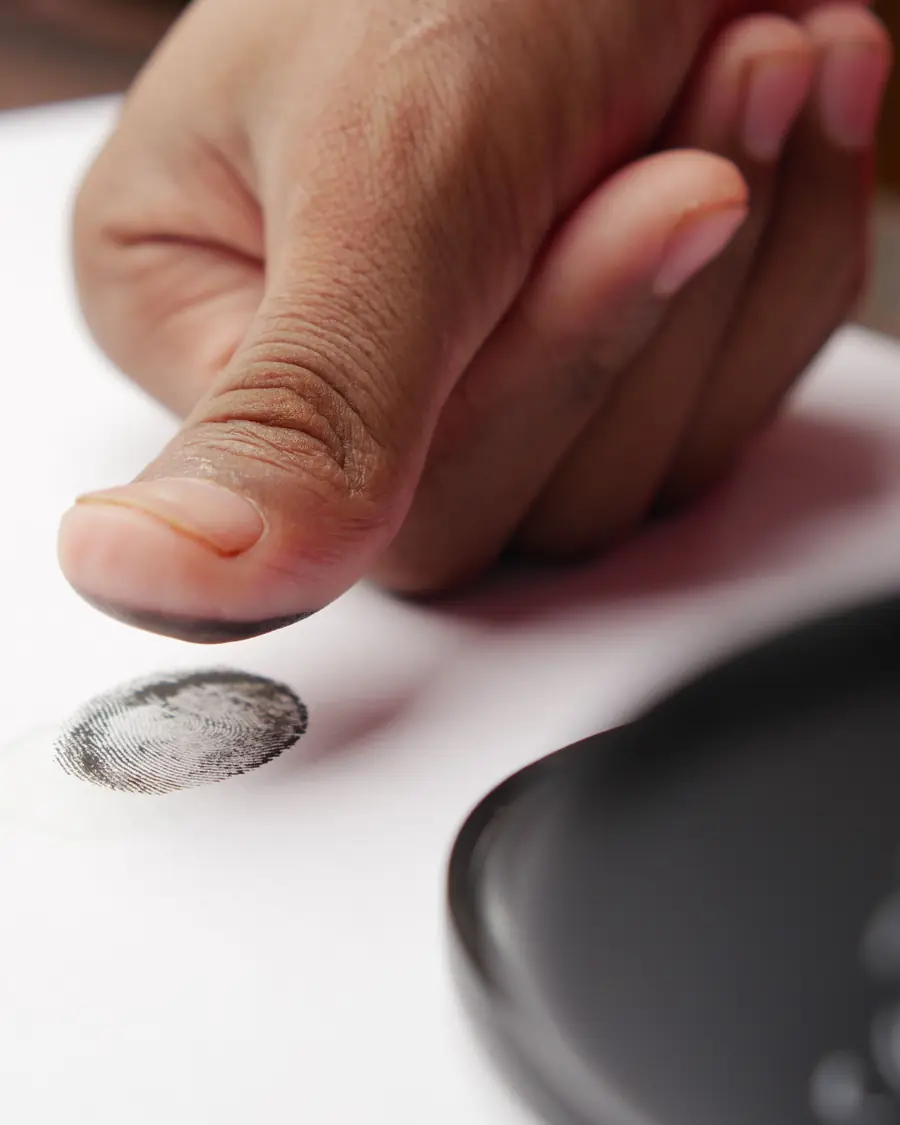
Everyone disclosed on a Florida Medicaid application submits fingerprints for a Level 2 screening through the Care Provider Background Screening Clearinghouse, which keeps the prints for 5 years, and the provider pays for the state and national checks (s. 409.907(8), Florida Statutes).
AHCA may require the surety bond in the table from fee-for-service providers in its moderate- and high-risk categories. Under s. 409.907(7), the bond need not exceed $50,000 when physicians licensed under chapter 458, 459 or 460 (medical, osteopathic or chiropractic) own 50% or more of the provider; AHCA’s policy places individual practitioners in the limited-risk category.
Sources s. 409.907, Florida Statutes; AHCA, Clearinghouse renewals and Provider Enrollment Policy (Feb 2026); Department of Health, background screening FAQs.
Commercial plans
Cost of credentialing with insurance companies
None of the commercial plans we checked charges to apply. The cost is the work, and it multiplies with every contract you hold.
$0application fee
No application fee is listed on the credentialing pages of any of these eight plans, read October 17, 2026:
- Cigna
- UnitedHealthcare
- Aetna
- Florida Blue
- Humana
- Evernorth
- Optum
- Lucet
20.2plan contracts
held by the average physician practice in a survey of 1,240 practices, each with its own application, follow-up and recredentialing.
Source CAQH, The Hidden Causes of Inaccurate Provider Directories (2019)
65%on time
Where medical groups’ credentialing and recredentialing files stood in November 2025:
- 65% on time
- 23% a backlog
- 6% slipping into the next quarter
- 3% a delay at a verification organization
Source MGMA Stat poll, 131 responses (November 2025)
Effective dates
The insurance credentialing cost of waiting for an effective date
Visits before a plan’s effective date may never be paid. What waiting costs comes down to three points on the calendar.
- The day you fileMedicare’s effective date is the later of the filing date and the date the provider started at the location, so file before the provider’s first day.
- Up to 90 daysThe longest review timeline commercial plans publish, in calendar days, compared plan by plan on our credentialing services page.
- The effective dateMedicare lets practitioners bill at most 30 days before it, and only when circumstances prevented enrolling sooner (90 days after a declared disaster). Chapters 627 and 641 of the Florida Statutes contain no rule that a commercial insurer or HMO pay retroactively.
Sources 42 CFR 424.520 and 424.521; Florida Statutes, chapters 627 and 641; plan pages, read Oct 17, 2026.
Staff time
The cost impact of outsourced credentialing
Outsourcing changes who does the work, not the government fees in the table above. In-house, the work is staff time: CAQH’s survey found practices spend at least one full staff day a week on provider-directory upkeep alone, at an average of $998.84 a month, done by staff with a fully loaded cost (salary, benefits, overhead) of $63,004. Across the country that came to $2.76 billion a year. The bill grows with the practice.
Source CAQH, The Hidden Causes of Inaccurate Provider Directories, Table 2 (1,240 physician practices).
Our pricing
How our credentialing services pricing works
Our credentialing package covers one tax ID (EIN) and up to five providers; additional providers or tax IDs are billed on our current fee schedule. Tell us about your practice and we will send you a personalized quote.
Opening a new practice? Starting a practice in Florida lists the other filings to plan for before you open, such as the AHCA clinic license or exemption.
Credentialing services
Starting at$750
Final pricing is customized to your practice. Your quote depends on:
- Your credentialing needs
- The number of providers
- Your practice locations
- The insurance plans you join
What’s included
The work behind the cost: our insurance credentialing services
Payer enrollment
Initial enrollment and credentialing with commercial health plans, from preparation through follow-up.
Learn moreMedicare enrollment
Medicare enrollment prepared, submitted, monitored and followed up, and revalidated when due.
Learn moreFlorida Medicaid enrollment
Florida Medicaid enrollment with AHCA, prepared, submitted, monitored and followed up.
Learn moreCAQH and NPI
NPI registration and maintenance, and your enrollment kept current in credentialing systems.
Learn moreRecredentialing
Recredentialing, revalidation and payer roster updates, plus provider additions and terminations.
Learn morePayer contracting
Payer contracting assistance: applications, participation agreements and negotiation support.
Learn moreQuick answers
Credentialing fees and costs: the questions practices ask
Straight answers on physician credentialing costs, CAQH, adding a provider, out-of-state fees and Medicare's hardship exception. If your question isn't here, ask us in a consultation.

How much does physician credentialing cost?
Does CAQH charge providers or their office staff?
Does a group pay a credentialing fee when it adds a provider?
Do out-of-state providers pay higher credentialing fees for Florida Medicaid?
What if an institutional provider can't afford Medicare's $750 credentialing fee?
Talk to an advisor
You care for patients. Who’s taking care of the business?
Tell us where your practice is today. We will tell you what we would do first.
Official sources
All read Oct 17 to 19, 2026.
- Federal Register: CY 2026 application fee notice, 90 FR 55738 (Dec 3, 2025); CMS fee notices, CY 2011 to 2026; NPI final rule, 69 FR 3434 (Jan 23, 2004)
- eCFR, current as of Oct 15, 2026: 42 CFR 424.514, 424.520, 424.521, 455.460, 21 CFR 1301.13
- Florida Statutes (2026): s. 409.907, s. 491.0045, chapters 627 and 641
- AHCA, Clearinghouse renewals and Provider Enrollment Policy (Feb 2026); Department of Health, background screening FAQs; Florida Board of Nursing, APRN licensure
- Plan pages, read Oct 17, 2026: Cigna, UnitedHealthcare, Aetna, Florida Blue, Humana, Evernorth, Optum, Lucet
- DataSpring, resources and FAQs and Provider Data Portal fact sheet; CAQH, provider directory survey (2019)
- MGMA Stat poll (Nov 2025)